

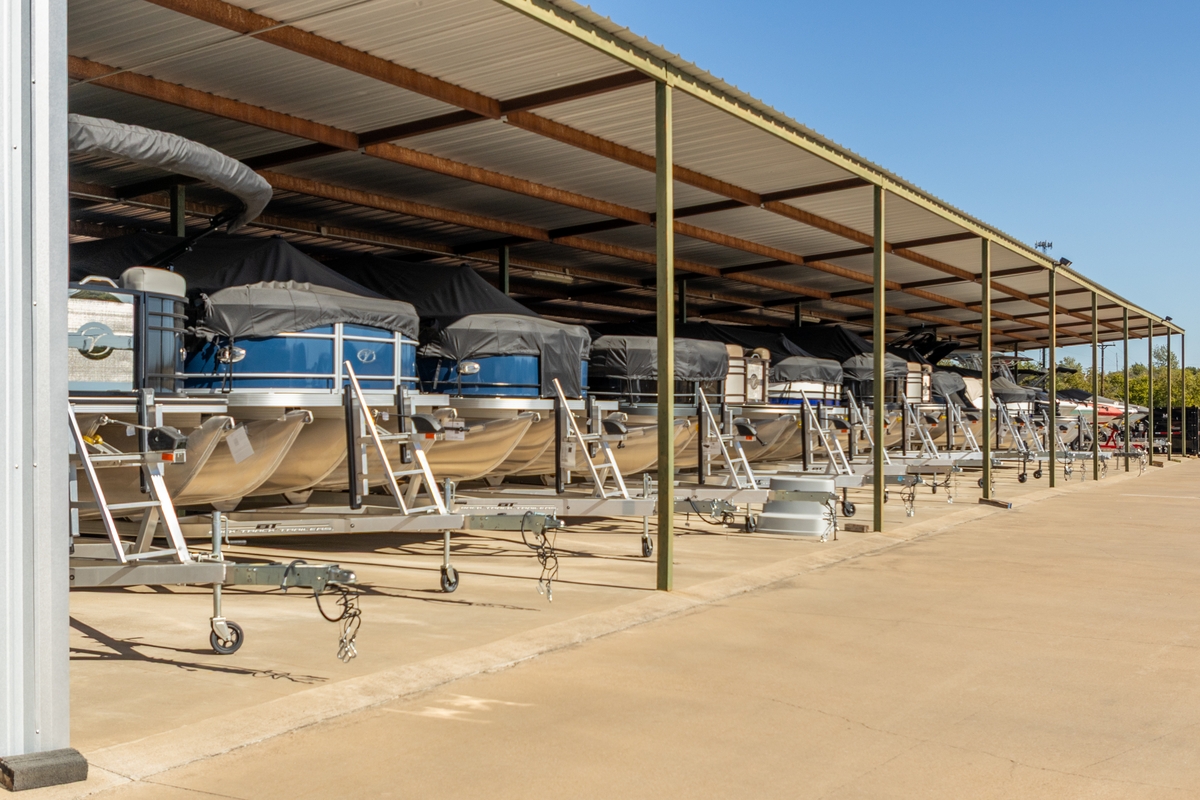
So you’ve decided to become a boat owner—congratulations! You’re about to join a community of enthusiasts who’ve discovered that some of life’s best moments happen on the water. Whether you’re drawn to peaceful mornings on Lake Granbury, adventurous weekends at Possum Kingdom Lake, or family fun at Benbrook Lake, you’re in for an incredible journey.
But if you’re new to boating, the learning curve can feel steep. What do you actually need to know? What should you buy? Where should you go? How do you avoid expensive mistakes?
At Carey & Sons Marine in Granbury, we help new boaters get started every week. This guide covers everything you need to know to begin your boating adventure in North Texas with confidence.
Step 1: Get Educated Before You Buy
Texas Boater Education Requirements
Texas law requires anyone born on or after September 1, 1993, to complete a boater education course before operating a boat with a motor of 15 HP or greater. Even if you’re not legally required to take the course, we strongly recommend it.
Where to get certified:
- Texas Parks and Wildlife Department offers free online courses
- In-person courses are available through local organizations
- The course typically takes 2-3 hours and covers safety, navigation, and regulations
What you’ll learn:
- Navigation rules and right-of-way
- Safety equipment requirements
- How to read buoys and markers
- Emergency procedures
- Weather awareness
- Trailer safety
Pro tip: Take the course before you start shopping for boats. You’ll understand terminology better and ask smarter questions.
Step 2: Understand Your Local Waters
North Texas offers diverse boating opportunities, each with unique characteristics. Here’s what you need to know about the lakes around Granbury and Hood County:
Lake Granbury
- Size: 8,310 acres
- Character: Calm, scenic, perfect for beginners
- Best for: Cruising, fishing, family activities
- What to know: Generally protected waters, multiple boat ramps, excellent for learning
- Local tip: The Granbury City Beach Park ramp is beginner-friendly with good parking
Possum Kingdom Lake
- Size: 17,000 acres
- Character: Dramatic cliffs, deeper water, more open
- Best for: Watersports, exploring, scenic cruising
- What to know: Can get choppy on windy days, stunning scenery, more advanced boating
- Local tip: About an hour north of Granbury, worth the drive for variety
Benbrook Lake
- Size: 3,770 acres
- Character: Smaller, more intimate, near Fort Worth
- Best for: Fishing, kayaking, smaller boats
- What to know: Closer to urban areas, good for quick trips
- Local tip: Great option when you don’t have time for a full day trip
Other nearby options:
- Lake Whitney (larger, about 45 minutes away)
- Squaw Creek Reservoir (smaller, closer to Fort Worth)
- Cedar Creek Reservoir (east of Dallas, about 90 minutes)
Step 3: Choose the Right Boat for Your Needs
This is where many new boaters make expensive mistakes. The key is matching the boat to your actual usage, not your aspirational usage.
Ask yourself these questions:
How will you primarily use it?
- Fishing: Consider a fishing boat or pontoon with fishing package
- Watersports: Look at bowriders or ski boats
- Cruising/entertaining: Pontoons or deck boats work well
- All-around family use: Versatile bowriders or pontoons
How many people typically?
- 2-4 people: 18-22 foot boats work well
- 4-6 people: 22-26 foot boats provide comfort
- 6+ people: Consider larger pontoons or deck boats
Where will you store it?
- Driveway/home: You’ll need a trailer and tow vehicle
- Marina slip: More convenient but ongoing costs
- Storage facility: Protects the boat but adds expense
What’s your realistic budget?
- Purchase price
- Insurance (typically $300-$800 annually)
- Storage ($50-$300+ monthly depending on option)
- Fuel and maintenance
- Accessories and safety equipment
Pro tip: Visit Carey & Sons Marine in Granbury and be honest about your budget and intended use. A good dealer will match you with the right boat, not the most expensive one.
Step 4: Essential Safety Equipment
Texas law requires specific safety equipment on every boat. Here’s what you need:
Required by law:
- Life jackets (PFDs): One Coast Guard-approved Type I, II, or III for each person, plus one throwable Type IV for boats 16 feet and longer
- Fire extinguisher: At least one B-1 type for boats with enclosed spaces or fuel tanks
- Sound-producing device: Horn or whistle
- Visual distress signals: Required for coastal waters (not typically needed on North Texas lakes)
- Navigation lights: Required for operation between sunset and sunrise
Highly recommended (not legally required):
- First aid kit
- Anchor and line
- Dock lines and fenders
- Bilge pump or bailer
- Paddle or oars (backup propulsion)
- Tool kit with basic tools
- Spare prop and prop wrench
- Sunscreen and drinking water
- Waterproof phone case or VHF radio
- Boat cover for storage
Pro tip: Don’t cheap out on life jackets. Invest in comfortable, properly-fitted PFDs that people will actually wear. Uncomfortable life jackets end up unused.
Step 5: Learn the Rules of the Water
Boating has rules just like driving, and knowing them keeps everyone safe.
Basic navigation rules:
- Boats approaching head-on: Both turn right (starboard)
- Boats crossing paths: Boat on the right has right-of-way
- Overtaking: Passing boat must stay clear of the boat being passed
- Give way to: Boats that are anchored, fishing, or have limited maneuverability
Speed and operation rules in Texas:
- No wake zones must be observed (typically near marinas, docks, and swimming areas)
- Reckless operation is illegal and can result in fines
- Operating under the influence (BUI) carries serious penalties
- Children under 13 cannot operate boats with motors over 15 HP
Lake-specific regulations:
- Each lake may have additional rules
- Check with Texas Parks and Wildlife or local authorities
- Some areas restrict certain activities or have seasonal rules
Pro tip: Your first few times out, go during off-peak hours (weekday mornings) when the lake is less crowded. You’ll have more space to practice and less pressure.
Step 6: Master the Basics
Before you head out for a full day of boating, practice these essential skills:
Launching and retrieving:
- Practice in an empty parking lot first (seriously)
- Learn to back up a trailer confidently
- Understand the process: prepare boat, back down ramp, launch, park trailer, retrieve later
- Watch experienced boaters at the ramp to learn
Docking:
- Approach slowly—much slower than you think
- Account for wind and current
- Have fenders and dock lines ready
- Practice makes perfect; don’t be embarrassed by multiple attempts
Basic boat handling:
- Understand that boats don’t have brakes
- Learn how your boat turns (boats pivot differently than cars)
- Practice in open water before navigating tight spaces
- Understand how wind affects your boat
Anchoring:
- Use enough anchor line (7:1 ratio: 7 feet of line for every 1 foot of depth)
- Set the anchor properly by reversing gently
- Know how to retrieve without getting stuck
Pro tip: Consider hiring a captain for your first few outings. Many experienced boaters offer instruction, and a few hours of professional guidance can prevent years of bad habits.
Step 7: Maintenance Basics
Boats require regular maintenance, but it’s not as complicated as you might think.
After every use:
- Rinse with fresh water (especially important after saltwater use)
- Remove drain plug and let water drain
- Wipe down surfaces
- Check for any obvious issues
- Remove trash and personal items
Monthly during boating season:
- Check engine oil level
- Inspect belts and hoses
- Check battery connections
- Test bilge pump
- Inspect propeller for damage
- Check trailer lights and tire pressure
Annually (or as recommended by manufacturer):
- Full engine service (oil change, filter replacement, etc.)
- Winterization if storing during cold months
- Inspect and service lower unit
- Check all safety equipment expiration dates
- Deep clean and wax hull
- Inspect trailer bearings and brakes
Pro tip: Establish a relationship with a good service department—like the one at Carey & Sons Marine in Granbury. Regular professional maintenance prevents expensive repairs and keeps your boat running reliably.
Step 8: Join the Community
One of the best parts of boating is the community. Boaters are generally friendly, helpful people who love sharing their passion.
Ways to connect:
- Join local boating groups on social media
- Participate in Lake Granbury community events
- Take a boating class together with other new boaters
- Visit marinas and strike up conversations
- Attend boat shows and dealer events
- Join fishing tournaments or poker runs
Boating etiquette to know:
- Always offer assistance to boaters in distress
- Slow down and minimize wake near other boats
- Be respectful of private property along shorelines
- Keep noise levels reasonable, especially early morning and late evening
- Pack out all trash—leave the lake cleaner than you found it
- Be patient with new boaters at the ramp (you’ll appreciate it when you’re learning)
Pro tip: Don’t be afraid to ask questions. Experienced boaters remember being new and are usually happy to share advice. The boating community in Granbury and around Lake Granbury is particularly welcoming.
Step 9: Plan Your First Trip
Your first official boating trip should be simple and stress-free. Here’s how to set yourself up for success:
Choose the right day:
- Calm weather with light winds
- Weekday or early morning to avoid crowds
- Good visibility and no storms in the forecast
Pick an easy destination:
- Stay on Lake Granbury for your first few trips
- Choose a familiar area you can see from shore
- Plan a short trip (2-3 hours max)
- Have a backup plan if conditions change
Bring the essentials:
- All required safety equipment
- Plenty of water and snacks
- Sunscreen and hats
- Towels
- Fully charged phone
- Basic tools
- Dock lines and fenders
Go with experienced friends if possible:
- Having a knowledgeable person aboard reduces stress
- They can help with docking and launching
- You’ll learn faster with guidance
- It’s more fun to share the experience
Pro tip: Do a thorough check before leaving the dock: drain plug in, all passengers accounted for, safety equipment aboard, fuel sufficient, weather checked. Make it a habit from day one.
Step 10: Know When to Ask for Help
Every boater encounters challenges. Knowing when and how to get help is crucial.
Common situations requiring assistance:
- Mechanical problems on the water
- Running aground
- Severe weather approaching
- Medical emergencies
- Lost or disoriented
Who to call:
- Emergencies (life-threatening): 911
- Non-emergency assistance: Texas Parks and Wildlife (1-800-792-4263)
- Your dealer’s service department: Keep Carey & Sons Marine’s number in your phone
- Towing services: Consider joining a boat towing service like BoatUS or Sea Tow
Pro tip: Before heading out, tell someone on shore where you’re going and when you expect to return. It’s a simple safety measure that could be critical in an emergency.
Your Boating Journey Starts Here
Becoming a boat owner is one of the most rewarding decisions you can make. Yes, there’s a learning curve, but thousands of people successfully navigate it every year—and you will too.
The key is starting with the right education, the right equipment, and the right support. Take it slow, ask questions, practice the basics, and don’t be afraid to make mistakes (we all do).
At Carey & Sons Marine in Granbury, we’re committed to helping new boaters succeed. We don’t just sell boats—we help you become confident, capable boaters who’ll enjoy years of adventures on Lake Granbury, Possum Kingdom Lake, and beyond.
Ready to start your boating journey? Visit Carey & Sons Marine in Granbury to explore our beginner-friendly boat options, ask all your questions, and connect with a team that’s genuinely invested in your success on the water.
Welcome to the boating community—we can’t wait to see you out there!
Carey & Sons Marine | Granbury, Texas | Your Partner in Boating Success

Leave A Comment